

Introduction
In modern civil engineering, ensuring the safety and longevity of infrastructure is a top priority. Engineers increasingly rely on advanced technologies to monitor structural conditions in real time. One of the most important aspects of these systems is structural monitoring sensor Accuracy and Its Impact on Structural Health Monitoring. Accurate sensor data allows engineers to detect early warning signs of structural issues, helping prevent costly damage and potential failures.
Understanding Structural Health Monitoring
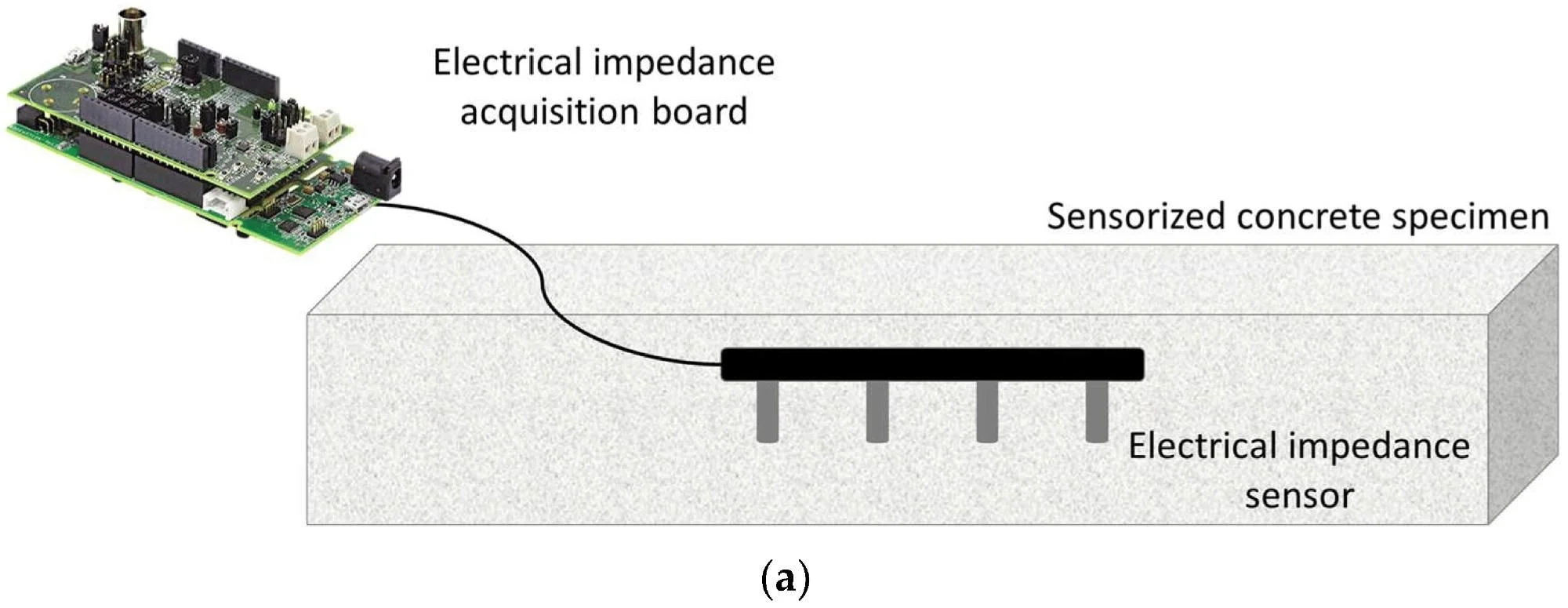
Structural Health Monitoring (SHM) refers to the use of sensors, data acquisition systems, and analytical tools to continuously evaluate the condition of buildings, bridges, dams, and other infrastructure. Sensors installed throughout a structure measure parameters such as vibration, strain, temperature, displacement, and load.
The effectiveness of SHM systems depends heavily on Structural Monitoring Sensor Accuracy and Its Impact on Structural Health Monitoring, because precise measurements ensure reliable data that engineers can trust for decision-making.
Why Sensor Accuracy Matters
Sensor accuracy determines how closely a sensor’s readings match the actual physical conditions of a structure. Even small measurement errors can lead to misinterpretation of structural performance.
When high-precision sensors are used, engineers can:
- Detect minor structural changes early
- Monitor load distribution accurately
- Track long-term material fatigue
- Prevent structural failures through timely maintenance
This clearly demonstrates Structural Monitoring Sensor Accuracy and Its Impact on Structural Health Monitoring, as accurate readings directly improve the reliability of monitoring systems.
Factors That Affect Sensor Accuracy
Several factors influence how accurately structural monitoring sensors perform:
1. Environmental Conditions
Extreme temperatures, humidity, and vibration can affect sensor performance if the devices are not designed for harsh environments.
2. Sensor Calibration
Regular calibration ensures sensors continue to produce accurate readings over time.
3. Installation Quality
Improper placement or mounting of sensors may result in inaccurate data collection.
4. Sensor Technology
Different technologies, such as fiber optic sensors, strain gauges, and accelerometers, offer varying levels of precision and reliability.
Addressing these factors helps maximize Structural Monitoring Sensor Accuracy and Its Impact on Structural Health Monitoring in real-world applications.
Benefits of High-Accuracy Monitoring Systems
When structural monitoring sensors deliver highly accurate data, infrastructure managers gain several advantages:
- Early Damage Detection: Small cracks or deformations can be identified before they worsen.
- Improved Safety: Accurate monitoring reduces the risk of unexpected structural failures.
- Cost-Effective Maintenance: Maintenance can be scheduled based on actual structural conditions rather than routine inspections.
- Longer Infrastructure Lifespan: Continuous monitoring helps extend the life of buildings and bridges.
These benefits further highlight the importance of Structural Monitoring Sensor Accuracy and Its Impact on Structural Health Monitoring in maintaining safe and resilient infrastructure.
The Future of Accurate Structural Monitoring
Advancements in sensor technology, artificial intelligence, and data analytics are improving monitoring accuracy even further. Smart sensors with self-calibration capabilities and wireless connectivity are making structural monitoring systems more reliable and easier to deploy.
As infrastructure becomes more complex and urban environments continue to grow, the role of Structural Monitoring Sensor Accuracy and Its Impact on Structural Health Monitoring will become even more critical in protecting public safety and ensuring sustainable development.
Conclusion
Structural monitoring sensors play a vital role in assessing the health and performance of modern infrastructure. Accurate sensor measurements enable engineers to detect structural issues early, optimize maintenance strategies, and ensure long-term safety. As technology evolves, improving Structural Monitoring Sensor Accuracy and Its Impact on Structural Health Monitoring will remain essential for building smarter, safer, and more resilient infrastructure systems.
