

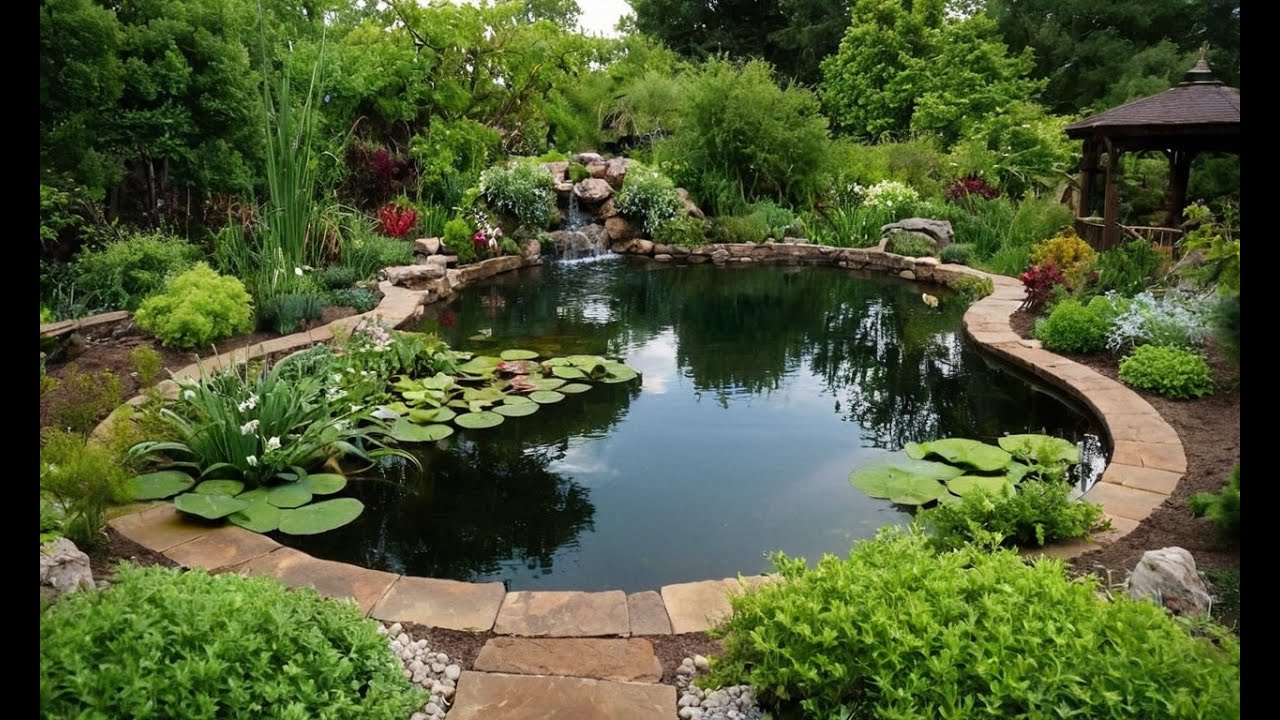
A pond can look completely different from one season to another. Flowers emerge in spring, foliage becomes fuller during summer, leaves change and fall in autumn, and many plants become dormant in winter. Choosing the right British Pond Plants can help ensure that your pond remains attractive and useful throughout the year.
Spring Pond Planting
Spring is an exciting time for pond gardeners. As temperatures rise, aquatic plants begin producing fresh shoots and new foliage.
Marsh marigold is an excellent spring choice because its yellow flowers can appear relatively early. Water forget-me-not can also add delicate color around shallow pond edges.
Spring is also a good time to inspect existing plants. Remove damaged material from the previous season and check whether containers have become overcrowded.
Summer Colour
Summer is usually the peak season for pond plants. Water lilies can produce some of the most spectacular flowers during warm weather.
Their floating leaves also create shade and help give the pond a classic appearance. Other flowering British Pond Plants can add color around the margins.
Summer is also when aquatic plants often experience their fastest growth. Check regularly for overcrowding and remove unwanted vegetation before it takes over.
Autumn Maintenance
Autumn brings cooler temperatures and falling leaves. While some plants begin to die back naturally, others remain attractive for longer.
Removing excess fallen leaves is important because large amounts of organic matter can decompose in the water. A pond net can make leaf removal easier, particularly for larger ponds.
Do not cut everything back immediately. Some remaining stems can provide useful shelter for insects and other wildlife during colder months.
Winter Structure
Many pond plants become dormant during winter, but that does not mean the pond has to look unattractive. Structural plants, stems, grasses, and evergreen vegetation can continue to provide visual interest.
Winter is also a good time to plan changes for the following growing season. Gardeners can assess which plants performed well and determine whether any need dividing or relocating.
Matching Plants to Pond Conditions
The best British Pond Plants are those that suit the conditions in your pond. Depth, sunlight, water movement, and available space all influence plant growth.
A plant that thrives in full sunlight may struggle in a heavily shaded pond. Similarly, a vigorous plant may become difficult to manage in a small water feature.
Always check the mature size of a plant rather than choosing it based only on its appearance when purchased.
Maintaining Healthy Plants
Healthy aquatic plants generally require relatively little maintenance once established. However, they should be checked regularly.
Remove dead flowers and damaged leaves where appropriate. Divide plants when they become overcrowded, and keep vigorous varieties contained in suitable baskets.
Avoid allowing floating leaves to cover the entire water surface. Maintaining some open water is important for appearance and pond health.
Seasonal Planning
A good planting scheme should include plants that provide interest at different times. Instead of choosing several varieties that flower simultaneously, combine early, mid-season, and late-season plants.
This approach gives the pond a constantly changing appearance. It also provides wildlife with different resources throughout the year.
Conclusion
British Pond Plants can make a pond attractive in every season when they are selected and maintained carefully. Spring brings fresh growth, summer offers flowers and lush foliage, autumn introduces changing textures, and winter provides structure and habitat. By planning for year-round interest, gardeners can create a pond that remains rewarding long after the initial planting is complete.
