

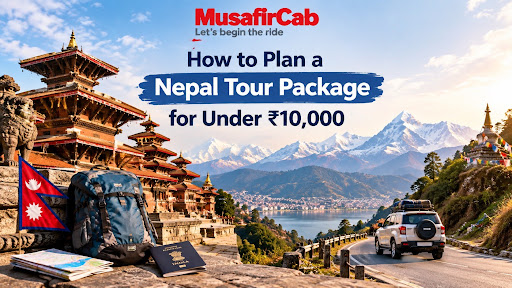
Nepal is a popular destination for Indian travelers who want to experience ancient temples, mountain landscapes, local food, traditional markets, and peaceful cultural sites without planning an expensive holiday. With the right destination and itinerary, a short trip can be organized on a modest budget. Travelers from nearby cities can also consider a Nepal tour from Gorakhpur when planning a budget-friendly road trip to Nepal.
The key is to keep the journey simple. Choosing affordable transportation, basic but comfortable accommodation, local restaurants, and nearby attractions can help reduce unnecessary spending. Travelers should also understand which services are included in a package and which expenses need to be paid separately.
For people living close to the India-Nepal border, a short land-based holiday can be particularly practical. Those traveling from farther away should calculate the complete journey, including the cost of reaching the border or airport.
Is a Nepal Trip Possible Under ₹10,000?
It can be possible for a short trip, but the total cost depends heavily on your starting location, travel dates, destination, accommodation, and transportation.
Someone traveling from Gorakhpur or another city close to the Nepal border may have lower transportation expenses than someone traveling from Delhi, Mumbai, Bengaluru, or another distant location.
Instead of trying to visit Kathmandu, Pokhara, Chitwan, Lumbini, and Janakpur during the same trip, choose one primary destination or a couple of nearby attractions. This reduces travel time and leaves more of the budget for accommodation, food, and sightseeing.
The most important step is to set realistic expectations. A short and focused itinerary is much easier to manage than a multi-city holiday.
Choose Your Destination Carefully
Your destination can have a major impact on the overall cost of your holiday.
Popular places to consider include:
- Lumbini
- Kathmandu
- Pokhara
- Chitwan
- Janakpur
- Bhairahawa
For travelers entering Nepal by road from northern India, Lumbini and nearby areas can be practical choices for a short visit. Kathmandu offers a wider range of cultural attractions but may require additional transportation costs depending on your starting point.
Pokhara is ideal for travelers interested in mountain scenery, lakes, and outdoor experiences, although reaching the city can take more time and money.
The best approach is to choose a destination based on your interests rather than trying to include every popular attraction in one short holiday.
Consider Traveling by Road
Transportation is often one of the largest expenses when planning an international trip. Travelers living near the India-Nepal border can consider road travel as an alternative to flying.
For example, people traveling from eastern Uttar Pradesh can consider routes toward the Sunauli-Bhairahawa border. From there, public buses and shared transportation can connect travelers with different parts of Nepal.
Public transportation may take longer than a private vehicle, but it can help keep overall travel expenses manageable. When creating an itinerary, allow additional time for traffic, border procedures, road conditions, and possible delays.
Create a Practical Travel Budget
Before booking anything, divide your available money into different categories. This makes it easier to identify where you can save and where you may need additional funds.
For a short Nepal trip, you can plan your budget approximately like this:
- Local or intercity transportation: ₹2,500–₹3,000
- Budget accommodation: ₹1,500–₹2,000
- Food: ₹1,500–₹2,000
- Sightseeing: ₹1,000–₹1,500
- Local transportation: ₹800–₹1,000
- Emergency or extra expenses: ₹500–₹1,000
These are planning estimates rather than fixed prices. Actual expenses can change depending on the season, destination, hotel, transportation type, exchange rates, and activities.
If your goal is to stay within a strict limit, compare prices before booking and keep some money aside for unexpected expenses.
Stay in Budget Accommodation
Accommodation does not have to be expensive to be comfortable.
Depending on the destination, travelers can consider:
- Budget hotels
- Guesthouses
- Hostels
- Family-run properties
- Simple accommodation outside major tourist areas
Location is particularly important. A slightly cheaper hotel that is far away from your sightseeing areas may result in higher transportation costs.
For a short trip, a clean room with basic facilities may be more practical than paying extra for facilities you are unlikely to use.
Traveling with friends can also reduce the cost per person if rooms can be shared. Families may prefer a private room for additional convenience.
When comparing a budget Nepal travel package, always check whether accommodation taxes, meals, and other charges are included.
Save Money by Eating Locally
Food is another area where travelers can control their daily spending.
Nepal has many local restaurants and small eateries offering traditional dishes at reasonable prices. Popular choices include momo, dal bhat, thukpa, and other regional foods.
A simple meal plan could include a light breakfast, an affordable local lunch, and dinner at a nearby restaurant.
Eating at local establishments instead of expensive tourist-oriented restaurants can help reduce costs while also giving you an opportunity to experience Nepali cuisine.
However, affordability should not come at the expense of hygiene. Choose restaurants that appear clean and have good local feedback whenever possible.
Use Affordable Local Transportation
Private taxis and dedicated vehicles offer convenience, but they can quickly increase the cost of a short holiday.
Where practical, consider:
- Public buses
- Shared vehicles
- Walking
- Local transportation services
Walking is especially useful in areas where attractions are located close together. It can also make the trip more interesting by allowing you to discover local markets, streets, shops, and neighborhoods.
Before relying on public transportation, check routes and schedules. Saving money is useful, but missing a connection or wasting several hours can affect your itinerary.
Focus on Low-Cost Attractions
A memorable Nepal holiday does not require expensive activities every day.
Visitors can explore temples, markets, historic neighborhoods, monasteries, public areas, walking routes, and scenic locations. These experiences can provide a better understanding of local culture without requiring a large activity budget.
Kathmandu offers numerous cultural and religious attractions. Lumbini provides peaceful monastery areas and Buddhist heritage sites, while Pokhara has lakeside walks and scenic surroundings.
Some attractions have entrance fees, so research current charges before creating your daily itinerary.
Choose a Short and Focused Itinerary
Trying to cover too many cities is one of the easiest ways to increase travel expenses.
Instead, select a destination where several attractions can be visited without long-distance transfers.
A simple three-day plan could look like this:
Day 1: Arrival and Local Exploration
Travel into Nepal, complete the required travel formalities if entering by road, and check into your accommodation.
Spend the rest of the day exploring attractions near your hotel. Avoid scheduling too many activities because transportation may take longer than expected.
Day 2: Main Sightseeing
Use the second day for your primary sightseeing.
Start early and group attractions that are located close to each other. Use walking routes or affordable local transportation whenever practical.
Keep some free time in the evening to explore a market, try local food, or simply relax.
Day 3: Final Exploration and Return
Visit one or two nearby attractions in the morning before beginning your return journey.
Keeping the final day simple gives you more flexibility if there are transportation delays.
Explore Free and Affordable Experiences
Some of the best travel experiences cost very little.
You can walk through local markets, explore historic neighborhoods, admire traditional architecture, visit public spaces, and experience the everyday atmosphere of Nepalese cities.
In Kathmandu, travelers can explore cultural and religious areas, while Lumbini offers peaceful surroundings and monastery complexes. Pokhara also provides opportunities for lakeside walks and enjoying the scenery without booking expensive activities.
Before visiting paid attractions, check current entrance fees and include them in your planning.
Can You Visit Kathmandu on a Limited Budget?
Kathmandu can be explored economically if you choose affordable accommodation and use local transportation.
Rather than hiring a private vehicle for your entire stay, consider public transportation or walking between attractions that are reasonably close together.
Depending on your available time, a Kathmandu itinerary can include attractions such as Pashupatinath, Boudhanath, Swayambhunath, and Kathmandu Durbar Square.
However, travelers should calculate the cost of reaching Kathmandu as part of the overall journey. Someone traveling from a distant Indian city may spend a considerable amount on transportation before even arriving in Nepal.
Travel With Friends to Reduce Costs
Traveling with friends can make certain expenses easier to manage.
Group members may be able to share:
- Hotel rooms
- Taxi fares
- Private transfers
- Certain sightseeing services
- Some travel-related expenses
However, group travel does not automatically make every trip cheaper. Choosing premium hotels, private vehicles, or expensive activities can quickly increase the total cost.
Before traveling, discuss the itinerary, accommodation preferences, transportation, and expected spending with everyone in the group.
For larger groups, it can also be useful to compare independent travel with a Nepal group tour package to determine which option fits the planned journey.
Check What Your Tour Package Includes
If you find a package advertised at a low price, do not judge it only by the starting cost.
Check whether it includes:
- Transportation
- Hotel accommodation
- Meals
- Sightseeing
- Local transfers
- Guide services
- Entry fees
- Border assistance, where applicable
- Taxes and service charges
Two packages can have similar prices while offering very different services.
Understanding the inclusions before booking can help prevent unexpected expenses during the trip.
Keep a Small Emergency Reserve
Even a carefully planned holiday can involve unexpected costs.
Traffic delays, weather changes, transportation problems, additional meals, or last-minute accommodation requirements can affect your spending.
Instead of allocating your entire travel budget to advance bookings, keep a small reserve for emergencies and unexpected purchases.
It is also useful to keep important travel documents, payment methods, emergency contacts, and booking details easily accessible.
When Is a Good Time for a Budget Nepal Trip?
Travel dates can influence hotel and transportation prices. Peak holiday periods may have higher demand, so travelers with flexible schedules can compare different dates before booking.
Weather is another important consideration. Nepal experiences different conditions throughout the year, and rain, mountain visibility, and road conditions can influence your travel experience.
Simple Ways to Reduce Travel Costs
A few practical habits can make a noticeable difference:
Book accommodation wisely: Choose clean, well-reviewed properties in convenient locations.
Use local transportation: Public buses and shared vehicles can be more economical than private transfers.
Limit destination changes: Every additional city can increase transportation and accommodation expenses.
Eat locally: Local restaurants can provide affordable meals and an opportunity to experience regional cuisine.
Group sightseeing by location: Visit nearby attractions on the same day instead of repeatedly crossing the city.
Avoid unnecessary upgrades: Choose facilities that you will actually use.
Compare packages: Look at the complete list of inclusions instead of choosing a package solely because of its advertised starting price.
Final Thoughts
A budget-conscious Nepal holiday is possible when the itinerary matches your available time, starting location, and spending limit. The most effective approach is to choose a suitable destination, keep transportation simple, stay in affordable accommodation, eat at local restaurants, and avoid unnecessary hotel changes.
Travelers living near the India-Nepal border may have more flexibility because they can potentially reduce long-distance transportation costs. Those coming from farther away should calculate their complete round-trip expenses before finalizing their plans.
Whether your interests are temples, mountains, wildlife, culture, or local cuisine, Nepal offers experiences for different types of travelers. A carefully planned Nepal travel package can simplify transportation and accommodation arrangements while allowing you to concentrate on exploring the country.
The goal of a low-cost trip should not simply be to spend as little as possible. It should be to use your available money wisely, choose experiences that matter to you, and leave enough flexibility for a comfortable journey.
Image-
